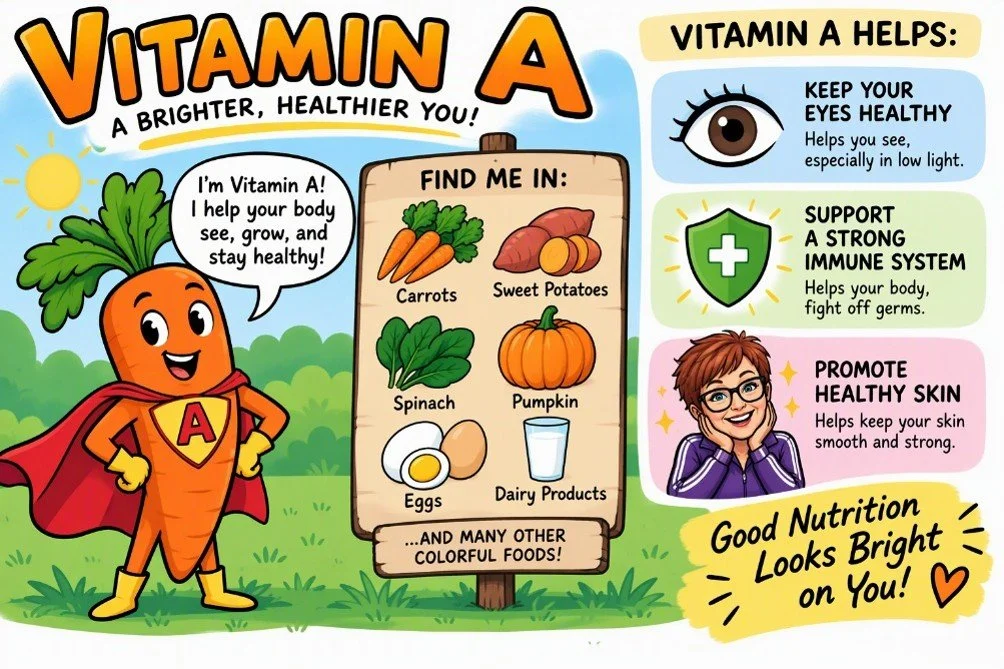
We hear a lot about the importance of vitamins and minerals in our daily diets. I’ve been overwhelmed by the conflicting advice on how much is enough and what is the “best” way to get what we need. Two things are consistent in the research I’ve done about vitamin and mineral intake. First, it’s important to find the right balance. Second, natural foods are the best source whenever possible.
Let’s start with a basic but important fact about vitamins. They are soluble either in water or in fat. If you take a fat-soluble vitamin without fat, you will get little or no benefit from it. And, studies show that with vitamin A our bodies absorb it more efficiently from animal sources than from plant sources. For our vegetarian friends, your recommended daily intake will be higher than for the carnivore and herbivores in our community. For all of us, our bodies can store unused vitamin A in our liver so it isn’t critical to take it every day. Because we store vitamin A, there is a risk of taking too much.
Vitamin A is a fat-soluble nutrient so it should be taken with a small amount of healthy fat like olive oil. You will only need 3 to 5 grams of fat to trigger absorption of this important vitamin. Other unsaturated fats like avocados or almonds will also work. A word of caution here!! Let me repeat, too much vitamin A can be harmful. For most of us with relatively healthy diets, we get enough from natural food sources. There are some diseases that can be helped with vitamin A supplements and pregnant women may also be prone to a deficiency. Very, Very Important to consult your own medical professionals to get their feedback on whether or not you should take a supplement of vitamin A.
In general, the recommended daily amount of vitamin A is 900 micrograms for men and 700 mcg for women. Pregnant or breastfeeding women can tolerate somewhat higher doses. Again, consult your medical professional to get guidance and pay attention to whether your vitamin A is coming from animal or plant sources.
We’ll get back to how to combine foods for efficient absorption of this vitamin, but first let’s explore what it actually does for us.
According to the Mayo Clinic, Vitamin A supports growth, vision and cell function. It is a retinoic acid which helps with cell regeneration. For example, our skin – the largest organ in the human body – needs constant cell regeneration. Think about it. Our skin is constantly under attack from sun, nonnatural fibers in our clothing, pollutants in the air … you name it. Our skin has a tough job and vitamin A can help refresh skin cells which in turn can help keep us healthier.
The key benefits for women can be summarized as follows:
Supports vision and eye health – Vitamin A is a core component of rhodopsin which is a protein that helps us see in the dark. According to the Mayo Clinic, it may also help protect against age-related macular degeneration (AMD)
Strengthens Immune System – The mucous membranes in our respiratory and digestive systems are key to fighting off infections. Vitamin A stimulates the white blood cell production and efficiency which is another important component of our immune systems.
Promotes Healthier Skin – Some dermatologists will suggest it be applied topically to boost collagen production. Since those same dermatologist seem eager to sell their products with vitamin A, I have to take this recommendation with a grain of salt. As always, getting nutrition from our food is generally better than from a bottle or can.
Supports Healthy Egg Cell Function – For we ladies past child bearing age, this isn’t relevant but for our younger friends it’s good to know.
Vitamin A isn’t always just good news. There are some key precautions we should all know.
Risk for Smokers – For those with a history of smoking, especially heavier smoking, vitamin A supplements have been linked to an increased risk of developing lung cancer. According to the U.S. Preventive Services Task Force this increased risk is significant and lasts for extended periods even after smokers quit smoking. As of 2022, there was no research on the impact for vapers. Bottom line for smokers, do not take Vitamin A (beta-carotene supplements) unless your doctor tells you to.
Bone Density Loss – Older women are particularly prone to losing bone density leading to osteoporosis. Taking too much vitamin A over extended periods accelerates bone density loss and increases risk of fractures.
Chronic toxicity – As I said earlier in this blog, vitamin A accumulates in the body. Too much over time can damage our liver, cause blurred vision, joint pain, hair loss and severe headaches.
Pregnancy Risks – High doses of preformed vitamin A supplements can cause all sorts of problems for pregnant women. All of my research says pregnant women should completely avoid high-dose vitamin A supplements and avoid animal liver in your diet during pregnancy.
Once you get over the scary things that can happen from too much vitamin A, especially in supplements, let’s get back to how to get this important nutrient from natural foods. Carrots are probably the first food that comes to mind. Actually, many orange colored vegetables are loaded with beta-carotene and antioxidants. Just one carrot can provide 5,000 mcg of beta carotene. Jackie Newgent, R.D.N., culinary nutritionist and author suggest baked sweet potatoes drizzled with olive oil. She also suggests eating the peel which is jammed with fiber.
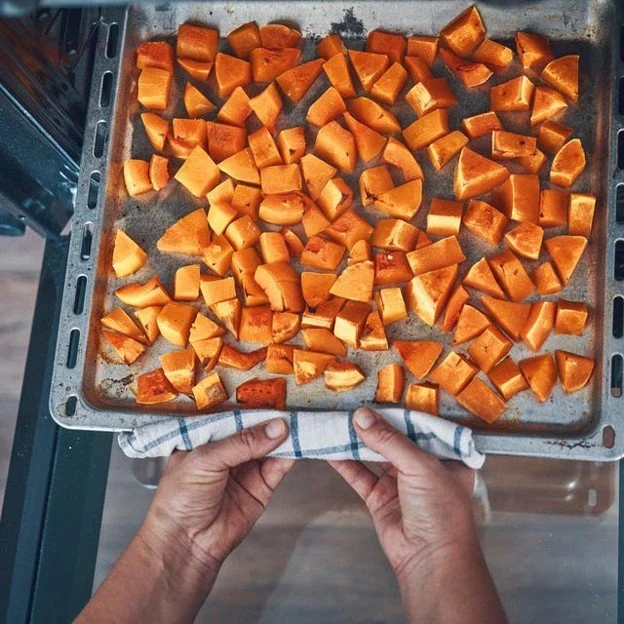
If green is more your vegetable color preference, look for kale or spinach. And in the world of fish, salmon with its fat content is a great source of vitamin A according to Joanna Gregg, M.S., R.D. who is a registered dietitian and food data curator. She suggests that 3.5 ounces of salmon is an appropriately healthy serving.
In the May 21, 2026 edition of Prevention there is a great article called “20 Foods High in Vitamin A Dietitians Say You Should Be Eating”. I recommend this article for fun facts and ideas.
Next in this mini-series will be a blog on Vitamin B. This vitamin has 8 different versions so we may break it into a multiple-part series. I think of this one as “B For Brain”. Until next time…
(Side note on Prevention magazine. This is not a scientific journal. Think of it as a lifestyle and wellness publication. It’s a good source I think for recipes and nutrition ideas but, as always, check with your medical professionals.)